Cinema Vines
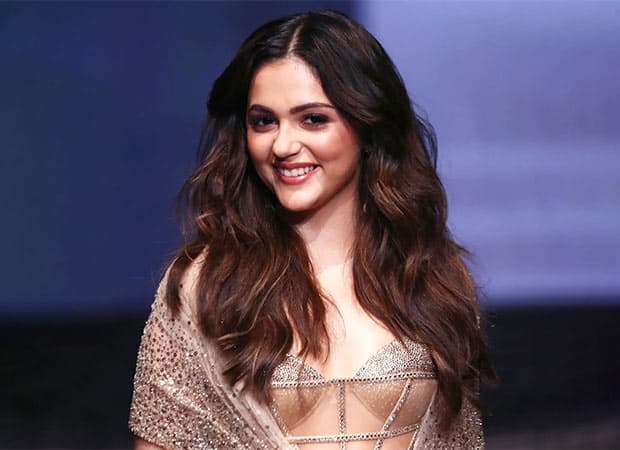
The Delhi High Court has ruled that any pornographic or obscene content involving actress Janhvi Kapoor must be removed from the internet, but it stopped short of banning all fan pages or other unauthorised material. The court, presided over by Justice Anup Jairam Bhambhani, emphasised that protecting a public figure’s personality rights should not encroach on freedom of expression, especially on digital platforms.
In a case filed by Kapoor, the actress sought an injunction against more than 5,000 webpages and social‑media posts that used her image for commercial gain. While the court agreed that pornographic or lascivious material could be taken down, it required the plaintiff’s lawyers to present a detailed, tabular list of the offending sites. The judge noted that the court could only act on content that was clearly obscene, and that a blanket ban on fan sites would be too broad.
Justice Bhambhani rejected the request to shut down fan pages, arguing that such sites can range from praise to criticism and are protected under free speech. He warned that a court acting as a moral arbiter could do more harm than good, and that public personalities cannot demand the closure of every unofficial fan club. The judge said, “You are a public personality. Who is immune these days? Everyone in the public domain is being abused left, right and centre.”
During the hearing, the judge also examined the line between copyright and personality rights. He questioned whether selling a photograph of a celebrity constitutes exploitation of that person’s identity, comparing it to an author selling a book. The court held that creators have the right to sell their work and that this does not automatically mean they are profiting unfairly from the subject’s fame.
Ultimately, the Delhi High Court’s decision protects Kapoor from pornographic content while preserving the right of fans to create and share content about her. The ruling underscores the delicate balance between a public figure’s privacy and the public’s freedom of expression in the digital age.